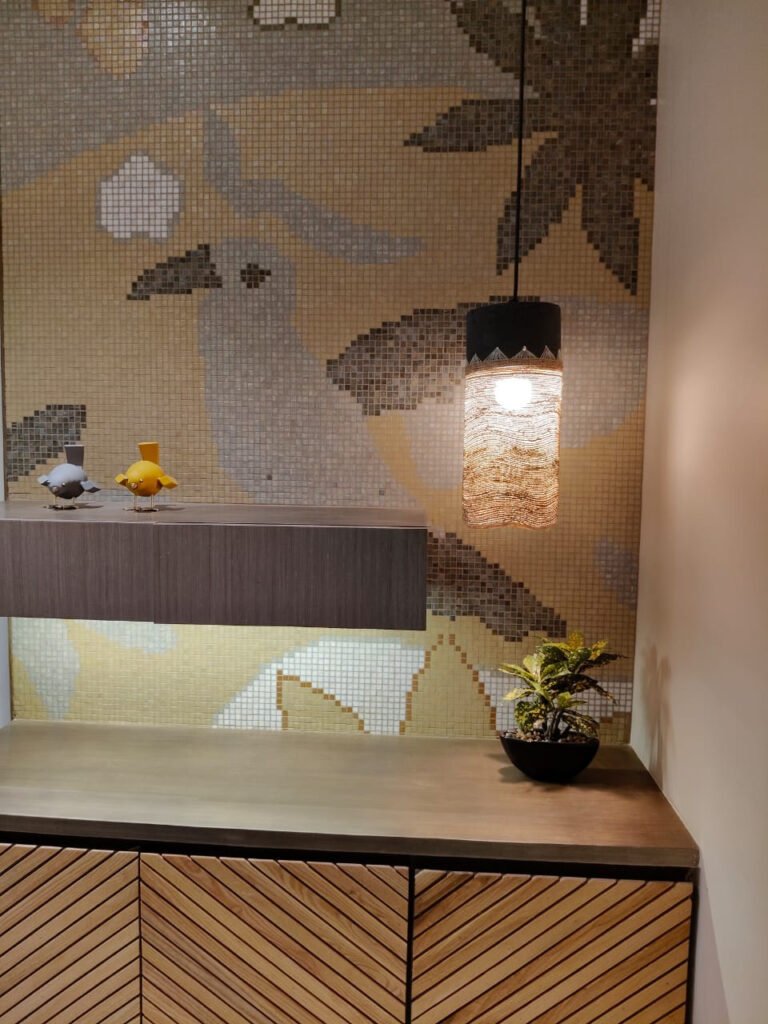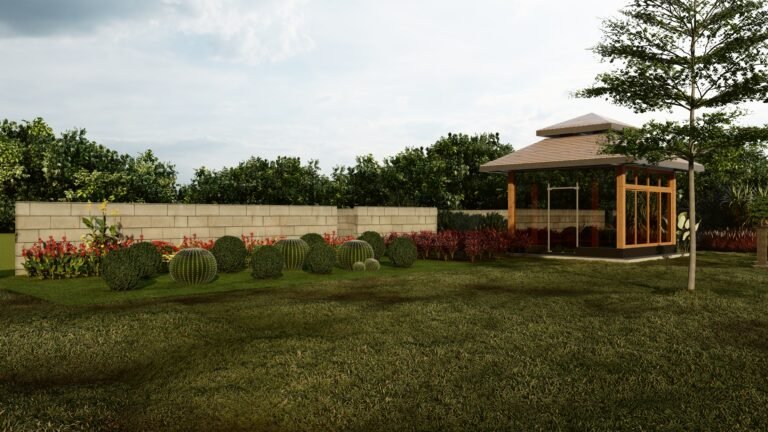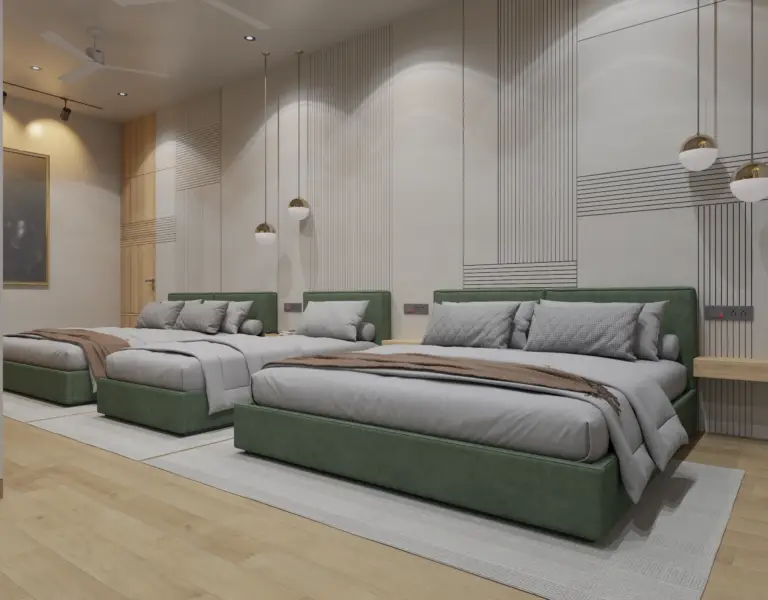

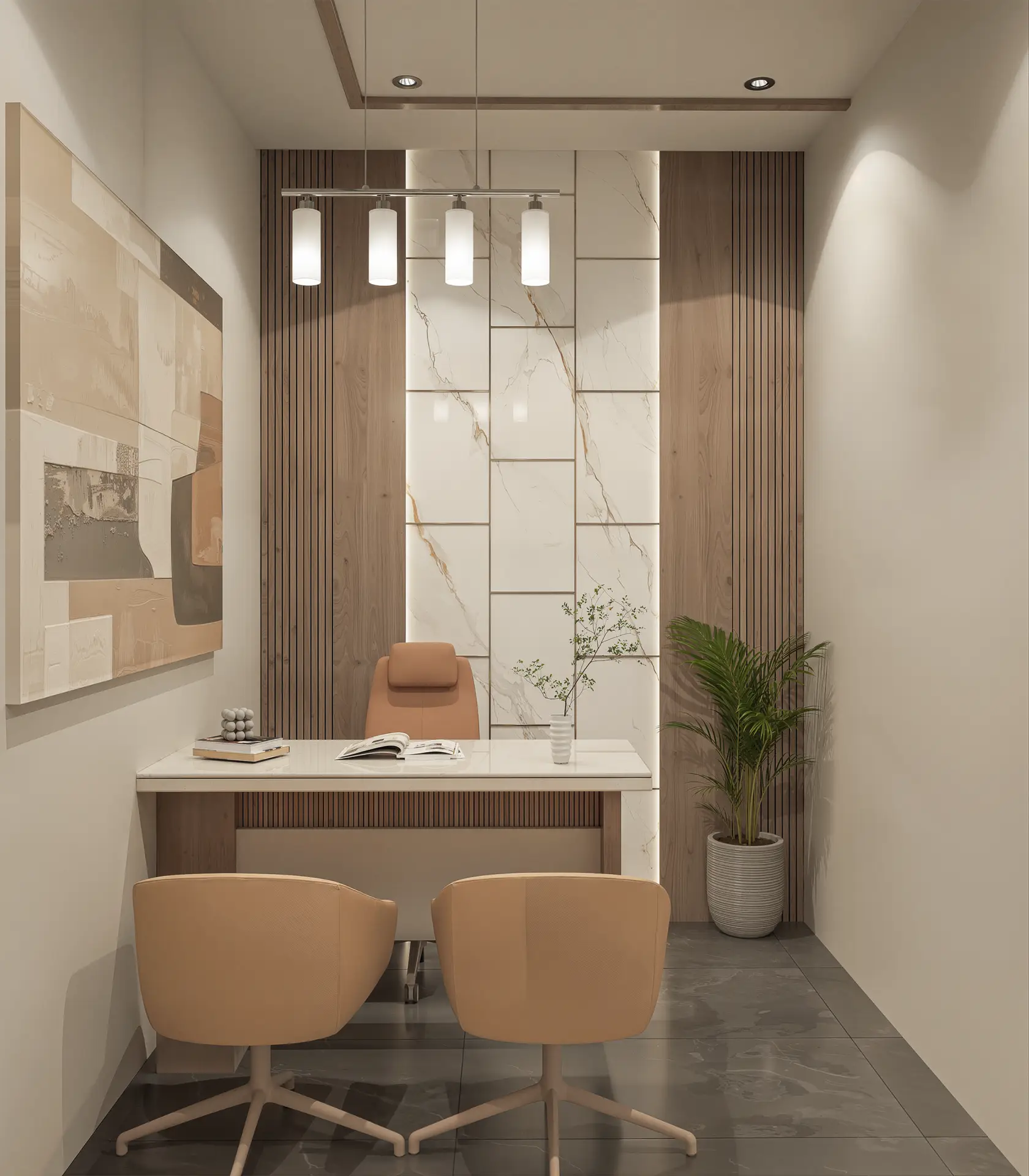
A home can photograph beautifully and still be a little exhausting to actually live in — surfaces too precious to touch, layouts that look sharp in a photo but awkward in daily use. The work we care about most isn’t how a space looks on the day the shoot happens. It’s how it still feels a year later, on an ordinary evening, with real life happening in it.

Design Starts With a Conversation, Not a Mood Board
It’s tempting to start with references — a Pinterest board, a photo of a hotel lobby, a style someone saw online. We start somewhere less visual: how many people actually live in the house, what a normal Tuesday looks like for them, what they’re quietly tired of in their current space. The mood board comes later. The brief comes from listening first.
Meet the People Behind the Process
A home doesn’t get designed by one person staring at a laptop. Ours get shaped by a small team working the same project from different ends — the overall vision, the material and space planning, and the person making sure what was drawn is actually what gets built on site.

That’s deliberate. A design that only exists on paper or in a rendering isn’t a finished home — it’s a promise. The follow-through on site, the small adjustments made in person once the space is real and not just a drawing, is where a lot of what makes a home actually livable gets decided.
What “Livable” Actually Means in Practice
It’s rarely one big dramatic decision. It’s storage that’s actually sized for what a family owns, not what looks neat in a render. It’s lighting that works for a 7am morning and a 10pm wind-down, not just for photographs taken at golden hour. It’s surfaces chosen because they’ll hold up to how this specific family actually uses the space, not because they trended well this year.
The Proof Is in How a Home Feels a Year Later
We don’t measure a project by how it looks the week it’s handed over. We measure it by whether a family is still genuinely happy in that space a year on — whether the kitchen still works for how they actually cook, whether the living room still gets used the way it was meant to. That’s a quieter kind of success than a striking photo, but it’s the only one that actually matters to the people who live there.